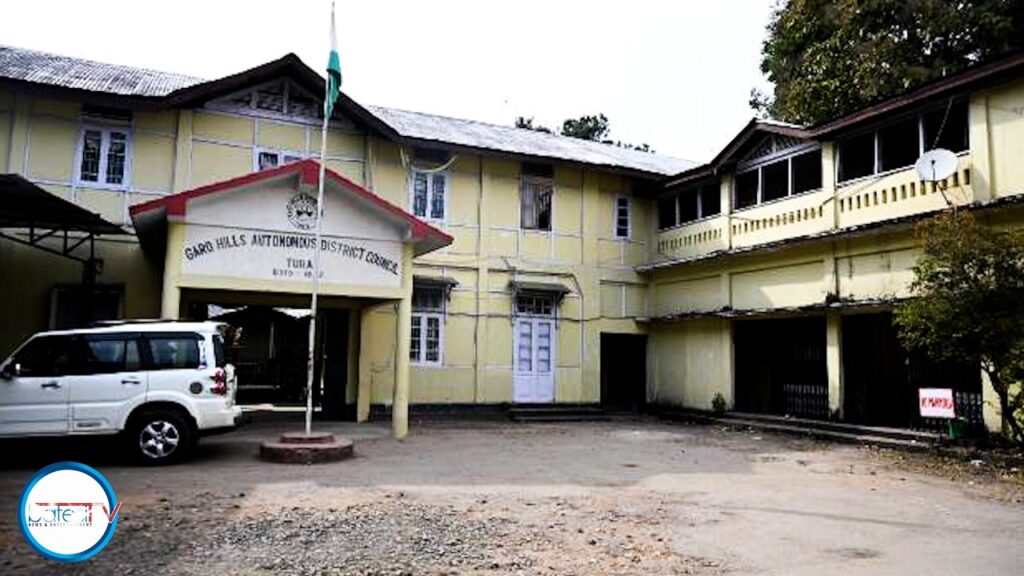
Shillong, April 21: In a move to reaffirm the commitment towards protecting the rights, identity and autonomy of Meghalaya’s indigenous communities, the strides towards the creation of an indigenous-based electoral framework for the Garo Hills Autonomous District Council (GHADC) stand as a crucial move. For decades, the demand to safeguard the GHADC elections has been rooted in the aspirations of the indigenous communities.
The preparation of a dedicated ST-exclusive electoral role will secure the demographic and political future of these tribes and safeguard tribal lands, by strengthening the land transfer regulations, ensuring only the tribal representatives to govern and take part in the governance process, in the Sixth Schedule Areas.
By ensuring that only Scheduled Tribe voters participate in GHADC elections, the government reinforces the constitutional vision that governance in tribal areas must remain accountable to indigenous communities, thereby protecting its customary rights, land claims, and traditional institutional practices. By enforcing these rules, the Government of Meghalaya is restoring the spirit of the Sixth Schedule of the Indian Constitution, ensuring that the governance of tribal lands remains firmly in the hands of indigenous representatives.
Recognising the urgency of these sentiments, under the decisive leadership of Conrad K. Sangma, Chief Minister of Meghalaya, the government has reaffirmed that its core objectives ensure that governance, policymaking and administration are strictly determined by the people it was meant to serve.
Notably, Chief Minister has consistently advocated for the protection of indigenous rights through constructive dialogue and the possible legal fortitudes. He has reaffirmed the public to respect democratic systems and prioritise the community and State’s interest, working collectively towards restoring peace and harmony.
Article 244(2) of the Constitution and the Sixth Schedule were designed to prevent dilution of tribal authority over their ancestral territories and traditional institutions such as the Nokma system in Garo Hills. The separate electoral roll protects the integrity of indigenous land tenure and customary governance systems.
The implementation of the new GHADC model, have marked the restoration of stability, thereby mitigating ethnic tensions and fostering a peace in the entire region. Taking a step forward, the implementation will set a precedent for the State. It serves as a testament to a form of governance that listens to and acts upon the sentiments of the people.