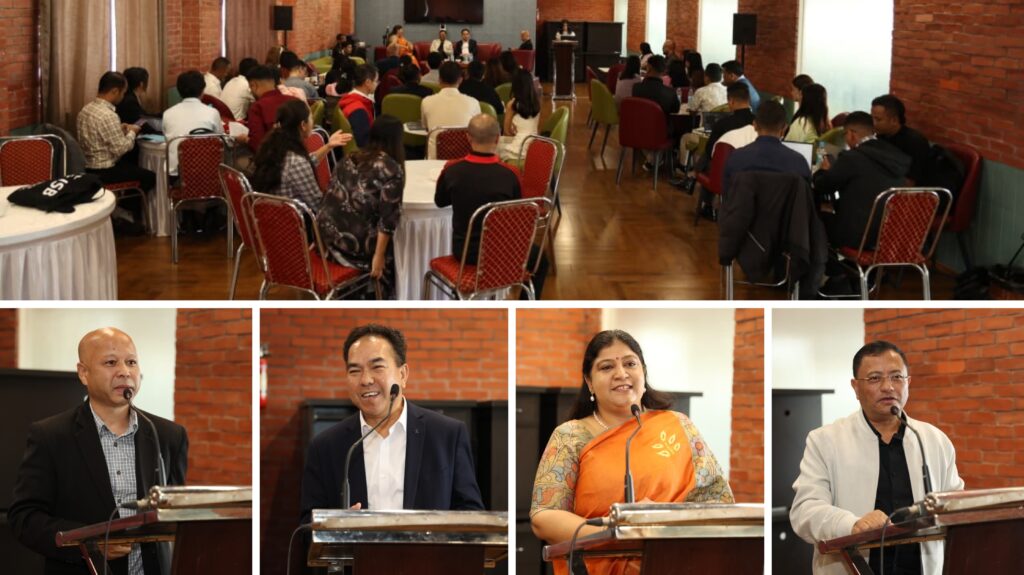
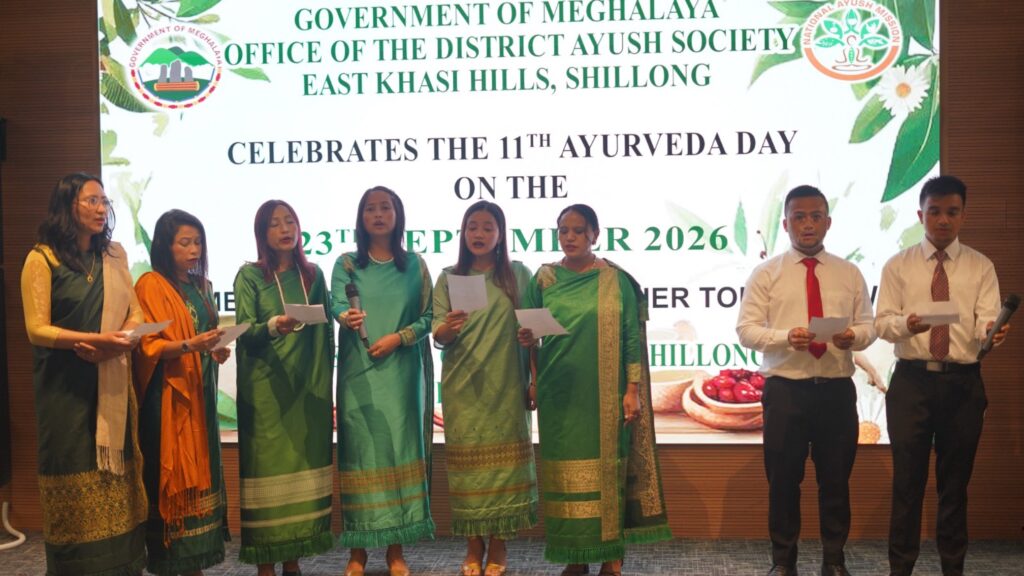
SHILLONG, SEPT 23: Meghalaya observed the 11th Ayurveda Day on Wednesday with a call for stronger integration of AYUSH systems into mainstream healthcare, particularly to promote preventive care and address health challenges in remote and underserved areas.
The District AYUSH Society, East Khasi Hills, organised the programme at the Meghalaya State Guest House in Shillong under the theme “Ayurveda for Healthier Tomorrow.”
Health and Family Welfare Commissioner and Secretary-cum-National AYUSH Mission Director Dr. Joram Beda attended as the chief guest. East Khasi Hills Additional Deputy Commissioner Prettylisa K. Sangma, AYUSH practitioners and government officials also participated.
The programme highlighted the need to move beyond a treatment-centred approach to healthcare by giving greater attention to nutrition, lifestyle, preventive care and traditional knowledge.
Addressing the gathering, Beda said Ayurveda and other AYUSH systems have an important role in the broader healthcare ecosystem and can complement other systems of medicine in improving health outcomes.
He urged AYUSH doctors to consider themselves equal stakeholders in Meghalaya’s healthcare system and strengthen their services in areas where access to medical care remains limited.
Referring to health indicators emerging from the National Family Health Survey-6, Beda called on AYUSH professionals to engage more closely with issues relating to maternal and child health, mortality and stunting, and explore suitable interventions within their respective disciplines.
He said the state government was working to expand AYUSH infrastructure and create more opportunities for AYUSH professionals. Several facilities are already operational, while more are in the pipeline.
According to Beda, 24 sub-centres across Meghalaya have been developed into AYUSH Health and Wellness Centres. Efforts are underway to expand the network and provide opportunities for AYUSH doctors to serve as Community Health Officers and Medical Officers.
Speaking at the programme, Sangma highlighted Ayurveda’s emphasis on maintaining balance and well-being through everyday practices, including proper nutrition, regular physical activity, adequate sleep, mental wellness and harmony with nature.
She also drew attention to the medicinal plants and herbs traditionally used by communities in Meghalaya, saying many locally available resources were being overlooked.
Sangma stressed the need to document, preserve and pass indigenous knowledge to younger generations. She said traditional practices could continue to contribute to healthier lives when applied responsibly alongside modern scientific knowledge and professional medical guidance.
The programme also featured an educational video on Meghalaya’s medicinal plants.
Dr. David L. Biate, Scientist ‘D’ at the Eastern Regional Centre of the Botanical Survey of India, was felicitated in recognition of contributions in the field.
The programme was chaired by National AYUSH Mission Ayurvedic Consultant Dr. Nakaniwanroi Toi, while Dr. F. Khonglah delivered the vote of thanks.