
Shillong, February 25 : The Headquarters 101 Area (Medical) has issued a health advisory following the deaths of two Agniveers in the past two weeks due to suspected diplococcal septicemia, a rapidly progressive and potentially fatal infection.
Authorities stated that while confirmatory laboratory reports are still awaited, all preventive measures have been implemented on priority.
Medical officials have provisionally indicated that the causative organism may be a species of diplococci, possibly Neisseria or Pneumococcus. The infection is believed to spread through respiratory droplets such as coughing and sneezing, particularly in close living conditions.
The incubation period is estimated to be between two to ten days, commonly three to four days.
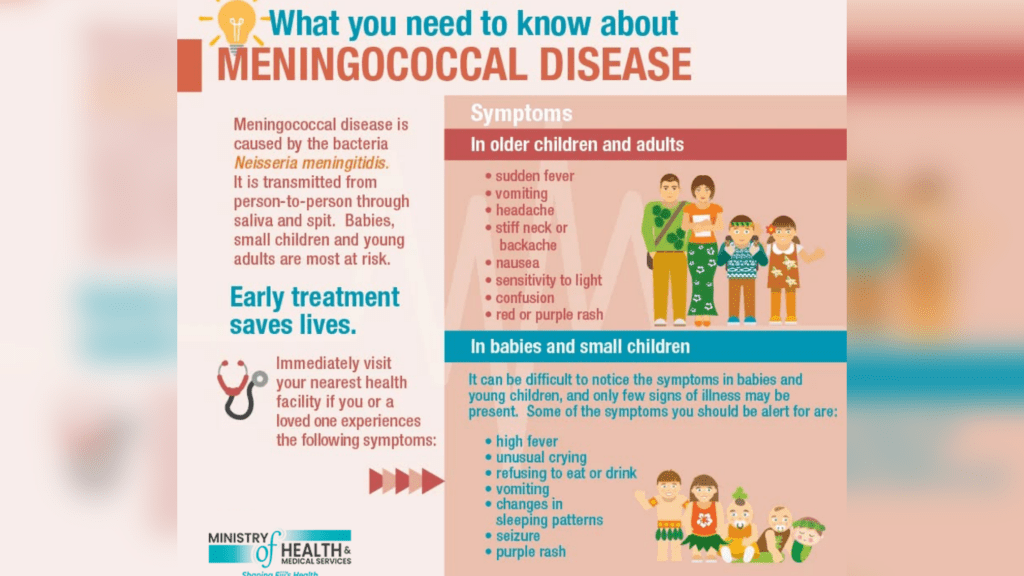
Clinical features associated with the suspected infection include:
- Sudden high fever
- Headache
- Vomiting
- Rapidly spreading purpuric rash
- Pale extremities at later stages
- Circulatory collapse, shock and multi-organ failure in severe cases
The advisory noted that meningococcal disease remains endemic in India, with major outbreaks reported in Delhi (2005–2008), Meghalaya (2008–2009) and Tripura (2009). Sporadic cases continue to occur across various regions of the country.
Officials further stated that similar outbreaks and sporadic cases have been reported within the Armed Forces, where personnel are at increased risk due to community living, close-quarter accommodation, shared facilities and intensive training environments.