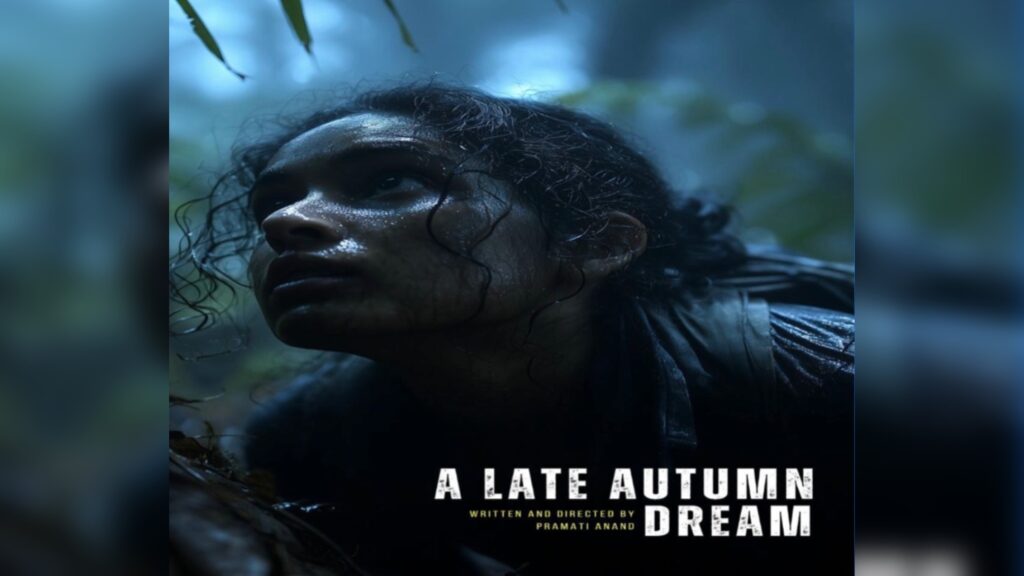
Shillong, January 07: Some films move forward quietly. Not through announcements, but through steady, well-timed support. A Late Autumn Dream, the debut feature by filmmaker Pramati Anand, is one such project. Its journey reflects how development at WAVES Film Bazaar can translate into real production momentum.
The project entered WAVES at an early stage through the NFDC Screenwriters’ Lab. It was here that the screenplay began to find clarity, confidence, and industry readiness. Over the course of the lab, the film’s narrative, a lyrical socio-political drama set in Meghalaya, was shaped through focused mentorship. This process helped sharpen both story and intent while preserving its cultural and emotional core.
At WAVES, A Late Autumn Dream stood out for its distinct voice. The film blends realism with myth and folklore and engages with themes of identity, displacement, and human connection against the backdrop of a sensitive border landscape. Set in Meghalaya, the story follows two young women—a Bengali student and an Indigenous Khasi girl—who find themselves lost in a forest inhabited by a mythical presence. Rooted in questions of cultural identity and border conflict, the premise resonated strongly within the development ecosystem.
The momentum continued beyond the lab. With a strengthened screenplay, the project moved to Rewrite 1.2 by Studio Ainak, building further on the creative foundation laid at WAVES. Soon after, the film was selected as part of the Women in Film India delegation to the Toronto International Film Festival. This placed the project on an international development radar and expanded its global visibility.
A decisive shift came when Platoon One Films joined the project as the lead production company. The producers recognised not just a finished script, but a film that had been carefully developed through structured platforms. Their association marked the transition of A Late Autumn Dream from development into production readiness.
For Pramati Anand, the screenplay draws from personal experience during a UNESCO project, grounding its poetic narrative in lived reality. For the producers, the film aligned with an IP-driven vision, one that sees potential in building a rich story world while remaining deeply rooted in place and perspective.
The journey of A Late Autumn Dream highlights how WAVES Film Bazaar functions as a catalyst rather than a checkpoint. By enabling stories to evolve step by step and connecting filmmakers with the right creative and production partners, the platform allows emerging voices to move forward with intent and direction.
In doing so, WAVES continues to shape not just individual films, but the pathways through which new Indian stories find their footing and their future.