Demand for Justice After Death of Garo Youth
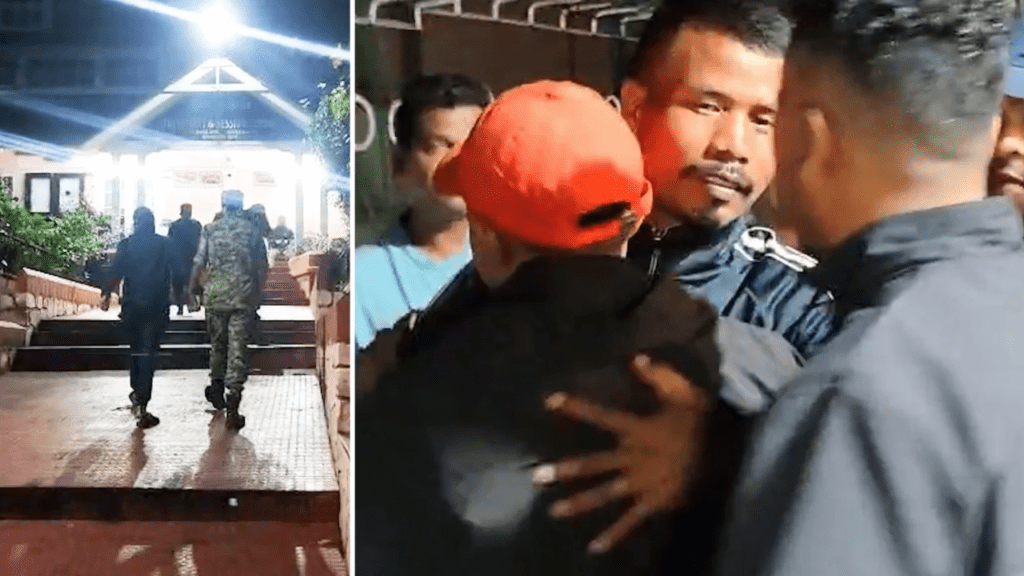
Tura, January 23: Several civil society organisations from Garo Hills comprising of Garo Students’ Union (GSU), Federation of Khasi Jaintia and Garo People (FKJGP), Association for Democracy and Empowerment (ADE), Achik Youth Welfare Organisation (AYWO) and Federation for Achik Freedom (FAF) have submitted a detailed memorandum to Meghalaya Chief Minister Conrad K. Sangma through the Deputy Commissioner of West Garo Hills, calling for urgent action after the alleged murder of Dilseng M. Sangma in Goalgaon village on January 9, 2026 .
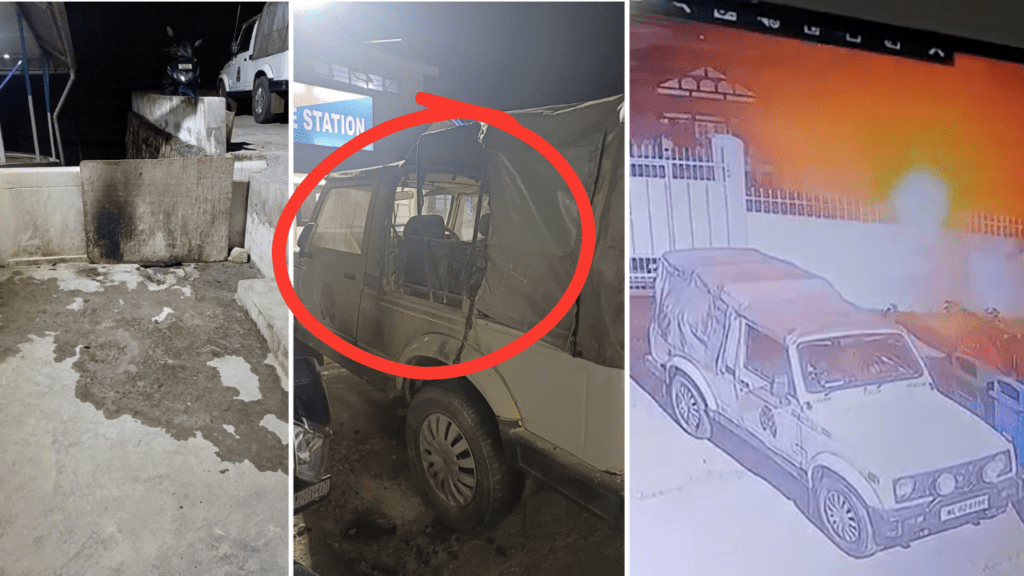
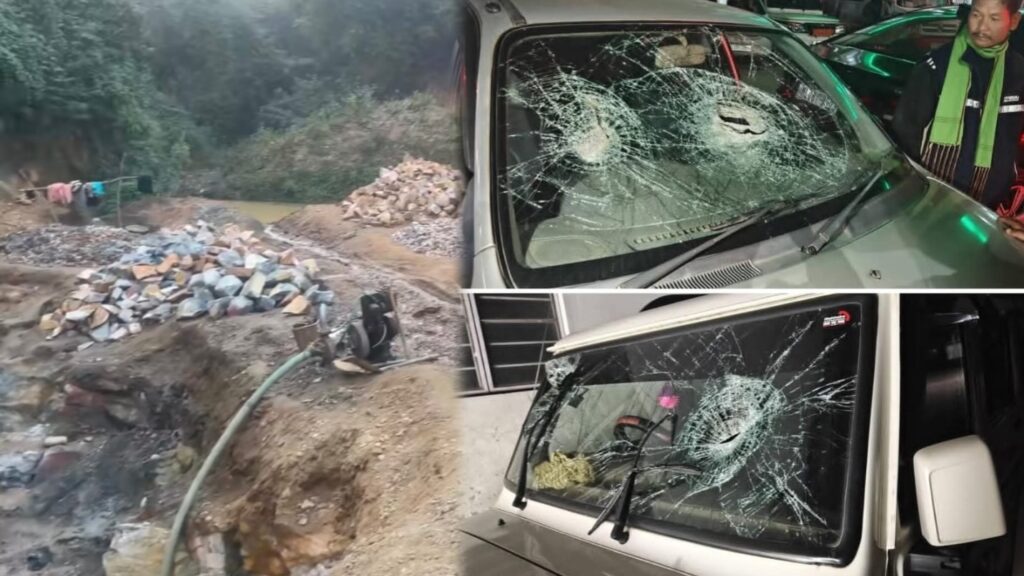
The youth was reportedly killed by miscreants linked to illegal stone mining operations in Wadagokgre under Rajabala Police Station. The organisations condemned the incident and expressed solidarity with the bereaved family.
The memorandum states that the killing should not be seen as an isolated crime, but as a “wake-up call” highlighting increasing tensions between tribal and non-tribal communities in the plain belt areas of Garo Hills.
The organisations attributed the tensions to unchecked illegal immigration, failure of law enforcement to curb illegal activities, disputes over land rights, continued illegal stone mining and timber smuggling, inadequate implementation of key laws such as Migrant Workman Permit System (MWPS), Meghalaya Residents Safety & Security Act (MRSSA), Garo Hills District (Transfer of Land) Act, 1955 and Meghalaya Land Transfer Act, 1972
The groups said limited identification and eviction of illegal settlers has deepened mistrust, noting that tribal communities perceive encroachment as an existential threat.
The memorandum reports rising numbers of illegal stone quarries in plains areas, where tribal land is occupied and mined without regard to environmental impact. Hills have allegedly been flattened, while rivers and streams used by locals for drinking and domestic use are being degraded.
Illegal timber trading was also flagged as a major concern. Timber is reportedly felled in tribal lands and reserve forests and transported by night, often with evasion tactics and threats of violence.
The civil society organisations offered four major policy suggestions to prevent further tensions and ensure justice:
1. Inter-Departmental Coordination Mechanism : A robust coordination system was proposed between Land & Revenue Department, Home Department, District Council Affairs Department, Forest & Environment Department, Autonomous District Councils, District Administration and District Police.
The groups argued that ADCs lack manpower and policing power to evict illegal settlers, shut mining sites, or curb timber trade.
2. Establishment of MLP Battalion Camp in Plain Belt : Calling the situation “explosive,” the groups urged the government to set up a Meghalaya Police battalion camp in sensitive zones to deter communal flare-ups and maintain peace.
3. Ex-Gratia Compensation : The memorandum demanded ₹10,00,000 (Ten Lakhs) ex-gratia be granted to the family of the deceased, noting that the death was not due to natural causes.
4. Special Investigation Team (SIT) : The groups requested a dedicated SIT to investigate the case, but acknowledged that the government has already constituted one, calling it a welcome confidence-building measure.
Reflecting on the incident, the groups remarked that the tensions have built up over decades and cannot be resolved overnight, but insisted that with adequate political will, corrective steps can restore peace in the region .
The memorandum concluded by urging the Chief Minister to examine the proposals with “due diligence.”