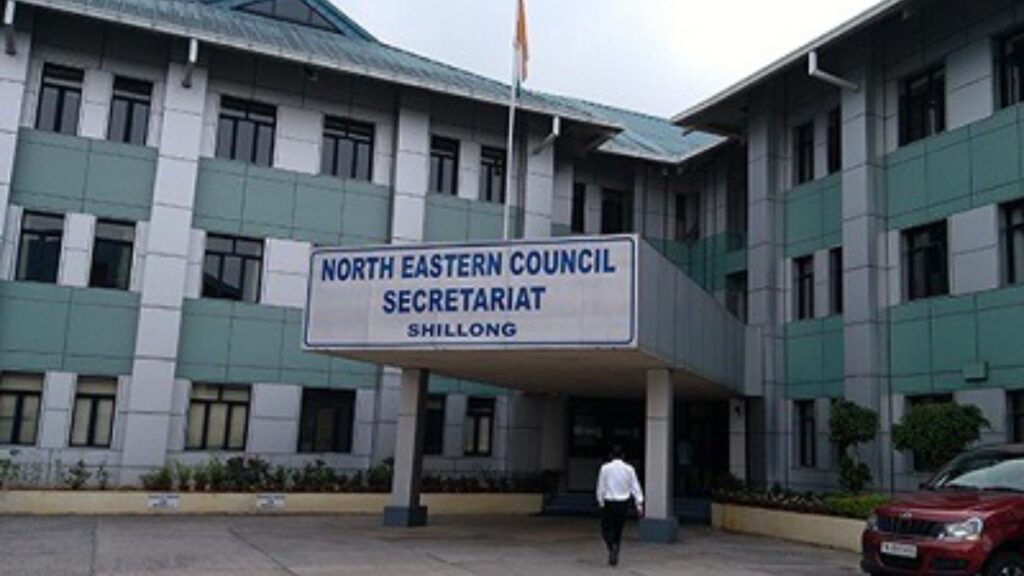
Shillong, February 10 : The North Eastern Council (NEC) released ₹5.69 crore for development projects in Meghalaya during January 2026 as part of an overall disbursement of ₹81.50 crore across the Northeastern states and regional agencies .
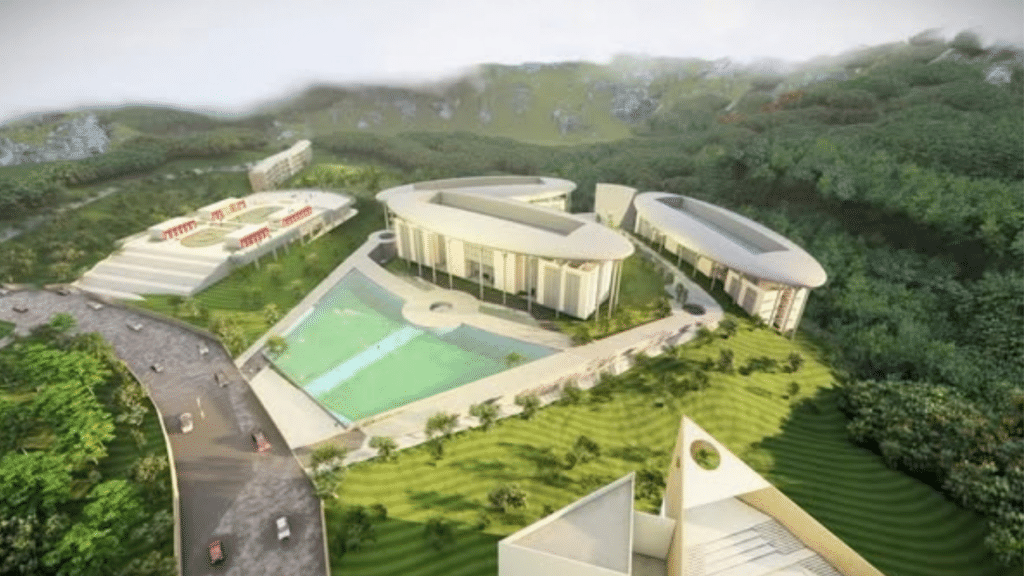
The funds for Meghalaya will support key initiatives including construction of school buildings at RKM School, Nongjngi Nartiang and R.K. Mission School, Sohra, installation of a 1.5 Tesla MRI machine at Tura Civil Hospital, and development of galleries and lighting in the Williamson Sangma State Museum, Shillong .
Under the NESIDS (Roads) scheme, an additional ₹3.91 crore was sanctioned for the 14.279-km road from Shillong city to Umroi Airport, Ri-Bhoi district, expected to benefit around 7,287 residents in 10 villages .
Across the region, NEC also disbursed ₹32.59 crore to central and regional agencies for projects such as Construction of Boys Hostel and School Building at Khongong of Wapung Village in East Jaintia Hills, Development of Playground at Pilangkata-Maikhuli in Ri-Bhoi, Development of Multi-Disciplinary Training cum Resource Centre, Shillong, bamboo promotion initiatives, tourism circuits and educational infrastructure .
Two Meghalaya projects were declared completed in January: the ₹5 crore Rongara infrastructure project in South Garo Hills, which included market shed, RCC motorable bridge, 12 water tanks, 12 school buildings, a conference hall, and CC motorable roads. The project has strengthened local infrastructure, supported entrepreneurs and farmers, enhanced educational facilities, and improved connectivity, thereby positively impacting livelihoods, economic conditions, and the
movement of agricultural produce in the region, and the ₹2.03 crore integrated piggery-cum-fish farming project under Umling and Jirang C&RD Blocks in Ri-Bhoi, aimed at providing beneficiaries with multiple income streams through pig rearing and fish production, leading to improved household income and financial stability. Efficient resource utilization was achieved by recycling piggery waste as nutrient input for fish ponds, reducing dependence on external fertilizers and lowering production costs. The initiative resulted in increased fish yield and pork production, improving availability for household consumption as well as market sale. Access to fresh fish and pork has strengthened food security and nutritional outcomes at the community level. Capacity-building and training programs
equipped beneficiaries with technical skills in integrated farming, disease management, and improved husbandry practices, ensuring long-term sustainability. The project has also generated self-employment and part-time work opportunities, particularly for rural youth and women, while promoting environmentally sustainable and eco-friendly farming practices through integrated livestock and aquaculture systems. .