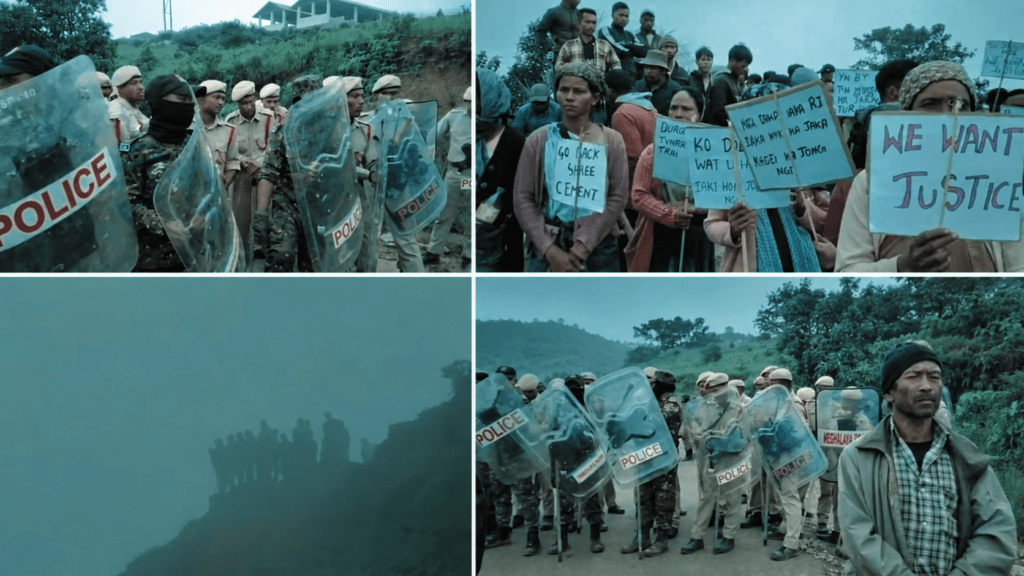
Shillong, March 16: The Meghalaya government has decided to extend the tenure of the Garo Hills Autonomous District Council (GHADC) by six months following unrest and protests over the participation of non-tribal candidates in the council elections.
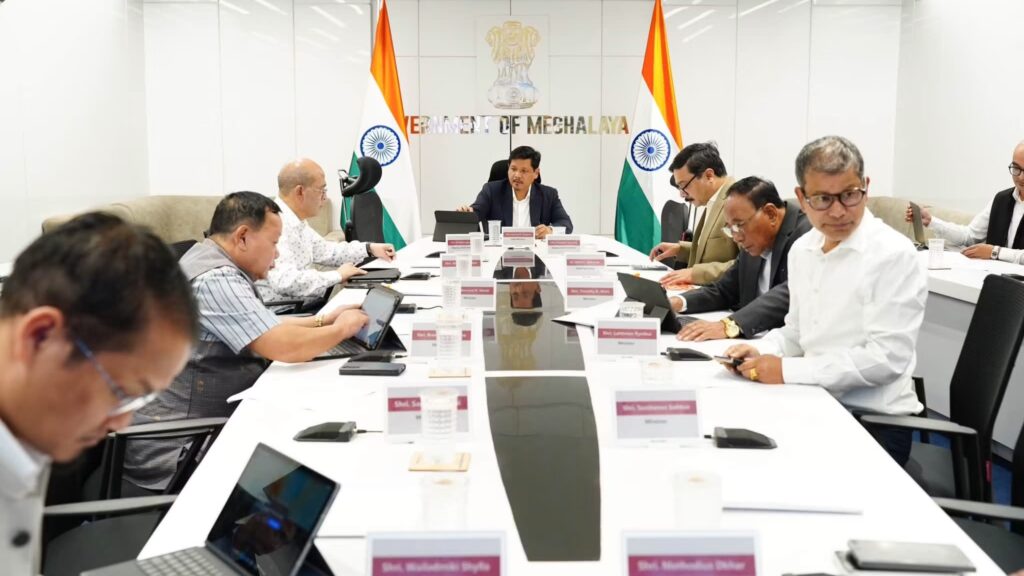
The decision was taken during a state Cabinet meeting virtually chaired by Chief Minister Conrad K. Sangma on Monday. The Cabinet approved the extension of the current GHADC House from April 18 to October 18, 2026.
Addressing the media after the meeting, Deputy Chief Minister in-charge of Home and District Council Affairs Prestone Tynsong said the Cabinet convened with a single-agenda focus regarding the extension of the council’s term. “After detailed deliberation and discussion, the Cabinet has decided to extend the term of the current House for a period of six months with effect from April 18 to October 18, 2026,” Tynsong said.
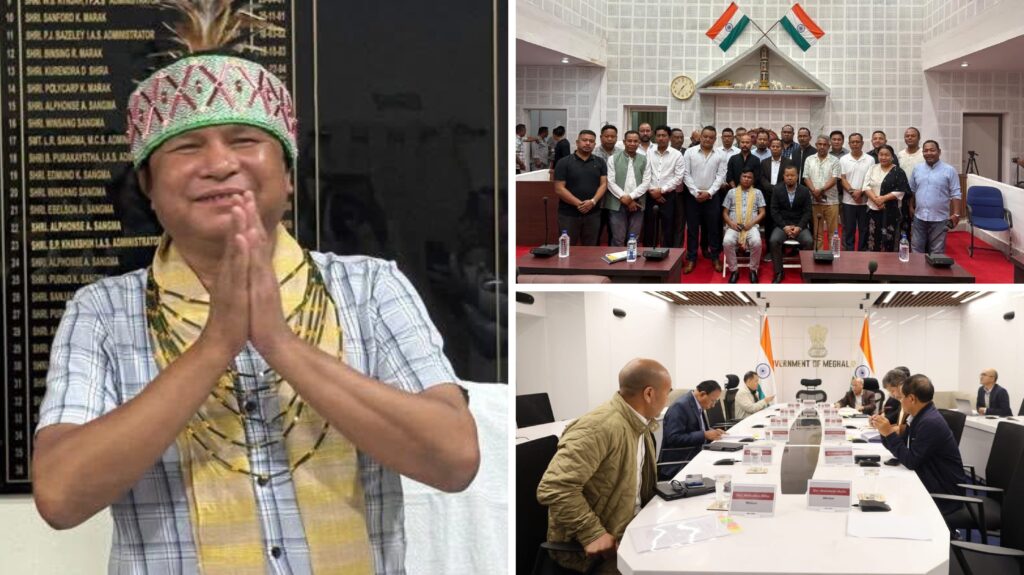
The development came hours after Albinush R. Marak stepped down as the Chief Executive Member (CEM) following a no-confidence move by 21 members of the district council. Later in the day, the House elected D. Ch. Sangma as the new CEM and formed a fresh Executive Committee.
Tynsong said the issue concerning the directive requiring Scheduled Tribe certificates for candidates contesting GHADC elections would now be decided by the new Executive Committee. “We leave it to the wisdom of the new executive committee to take a call on the issue of Scheduled Tribe or on the issue of contesting elections both by tribal and non-tribal as far as GHADC is concerned,” he said.
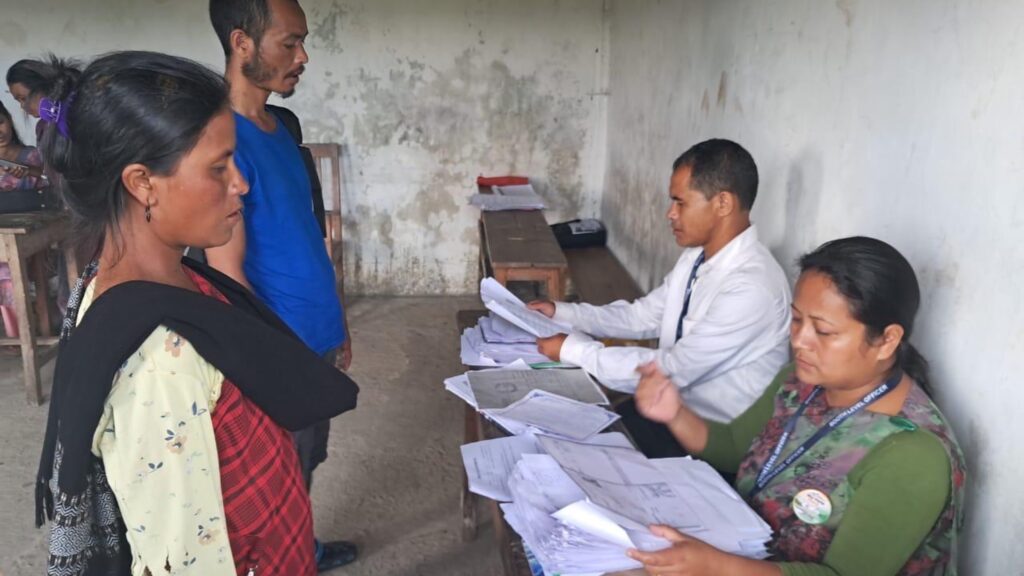
The Cabinet’s decision also follows the government’s recent move to revoke and postpone the GHADC elections, which were earlier scheduled for April 10 with counting on April 14, after law-and-order concerns triggered by protests in Garo Hills.
According to Tynsong, the six-month extension will provide an opportunity for discussions among stakeholders. The state government, along with the newly formed Executive Committee, plans to hold consultations with different groups to address concerns regarding candidate eligibility and possible amendments to existing rules.
He described the Cabinet’s decision as a “landmark step” taken in response to public sentiment and the prevailing law-and-order situation in the region. “The government postponed the elections because of law and order, which arose due to the aspirations of the people who are against non-tribal participation in the GHADC polls,” he said.
Responding to criticism from the opposition that the extension could benefit the ruling National People’s Party (NPP) politically, Tynsong denied any political motive behind the decision. “Right now we are not talking about NPP or any other political party. There is no political agenda from the ruling side. Our priority is to ensure that the aspirations of the people are met,” he added.
During the six-month extension period, the government and the new GHADC Executive Committee are expected to engage with stakeholders to examine concerns related to election rules and explore necessary amendments.